
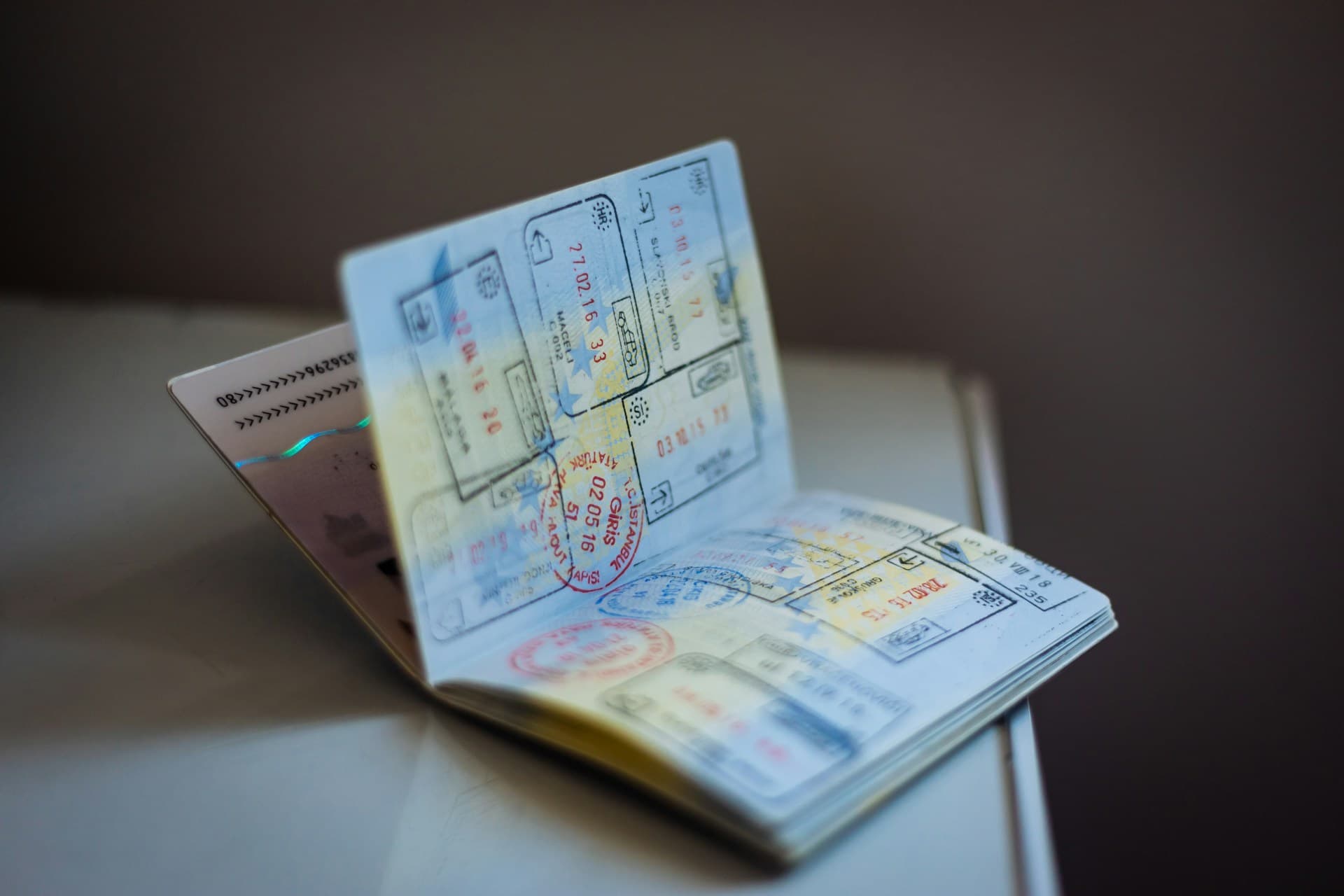
The State Department is revoking visas at a scale it likes to advertise. On his August 12 broadcast, Atlanta attorney Charles Kuck of Kuck Baxter Immigration put the headline number next to the detail the headline hides.
mic What the Attorney Says
“So Marco Rubio was bragging yesterday. We’ve revoked 175,000 visas.”
Some of those revocations track categories people expect: convictions, and speech the administration treats as a First Amendment target. What is new is how far down the ladder the trigger now sits. According to Kuck, a person does not have to be arrested, charged, or convicted. Being stopped and talked to by police can be enough.
mic What the Attorney Says
“They are revoking these people who are simply talked to by the police who are detained but not arrested and not charged, not convicted.”
The legal engine is INA § 221(i) (8 U.S.C. § 1201(i)), which lets a consular officer or the Secretary of State revoke a visa at their discretion. There is no criminal conviction requirement in the statute, which is exactly why a routine encounter can feed the number.
mic What the Attorney Says
“Any contact with the police will almost certainly result in a revocation of your visa.”
There is one piece of good news, and it is narrow. Most of these are what Kuck called credential (often termed prudential) revocations. They cancel the visa as a travel document but do not, by themselves, end your lawful status inside the United States. You can stay; the problem lands when you leave.
mic What the Attorney Says
“The vast majority of these revocations are credential visa revocations which means they’re revoked in the context of you not being able to use them again to come in but they do not affect your current status in the United States.”
Once you depart, you need a new visa from a consulate, and the odds of that approval after a revocation are, in Kuck’s blunt estimate, close to zero. The practical posture for anyone in the country on a visa is defensive: avoid unnecessary police contact, keep travel abroad to what is essential, and assume that even minor run-ins can surface, the kind that feel too small to matter, like a speeding ticket at a green card or citizenship interview. It fits the wider shift toward the government mining old records with AI to reopen closed cases.