
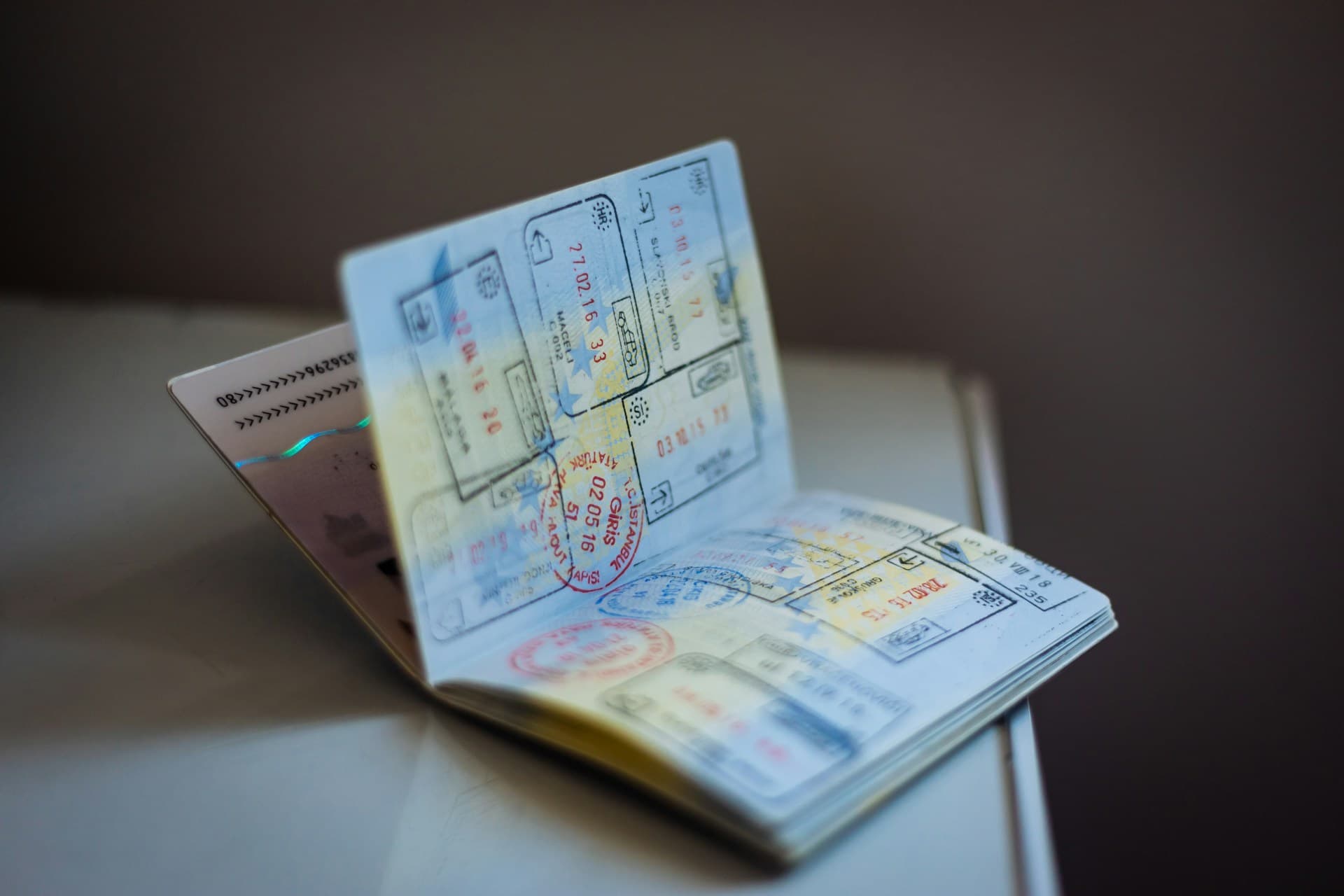
A caller on the June 2 Immigration Answer Show was born in Canada and holds Dominican citizenship only through his father. He has set foot in Dominica twice in his life and never lived there. Dominica is on the adjudication hold, so he asked Jim Hacking the obvious question: does a nationality he inherited and never used actually pull him into the pause? Hacking’s answer was yes. That is how he reads it.
The pause runs on nationality, not on where you live or which passport you travel on. It comes from the President’s proclamation power under INA 212(f), and USCIS is applying the hold to anyone who holds citizenship in a covered country, including a dormant second nationality acquired at birth from a parent. If your name is on a listed country’s rolls, you’re treated as belonging to it.
The flip side of “it attaches to the person” is the argument for fighting it. Because the harm lands on you rather than on a particular form, Hacking frames the pause as illegally reaching the individual, which is why he tells clients to put every pending case into a challenge, not just one.
mic What the Attorney Says
“My philosophy is that the pauses go illegally to the person, not the application. So I’ve been encouraging all my clients to include everything they have pending.”
That framing changes what kind of lawsuit this is. A mandamus suit complains about delay and asks a court to make the agency decide. But when the agency is doing something unlawful across the board, the goal is a ruling that the policy itself is illegal, and for that you don’t need to have waited years.
mic What the Attorney Says
“Mandamus is for delay, but when an agency is doing something illegal, the ultimate goal is to get a judicial determination that what they’re doing is illegal. So I believe certainly you have standing to bring the lawsuit. You’re being harmed by it in ways that you probably don’t even know.”
For the Dominica caller, that meant his pending I-751 to remove conditions, only a month or two old, was enough to give him standing, because USCIS is adding requirements to his case that Congress never enacted. The same reasoning has let applicants join a suit before their EAD even expires.
Two practical takeaways. First, don’t assume a second citizenship you’ve never exercised keeps you out of the pause; assume the opposite and plan for it. Second, the vehicle for relief is a challenge to the policy, not a wait-it-out mandamus. It is the same posture behind the Dorcas ruling that vacated the 39-country rule and the fight that continues even after that vacatur. Individuals from paused countries have also brought their own 212(f) suits rather than wait for the class cases to resolve.