
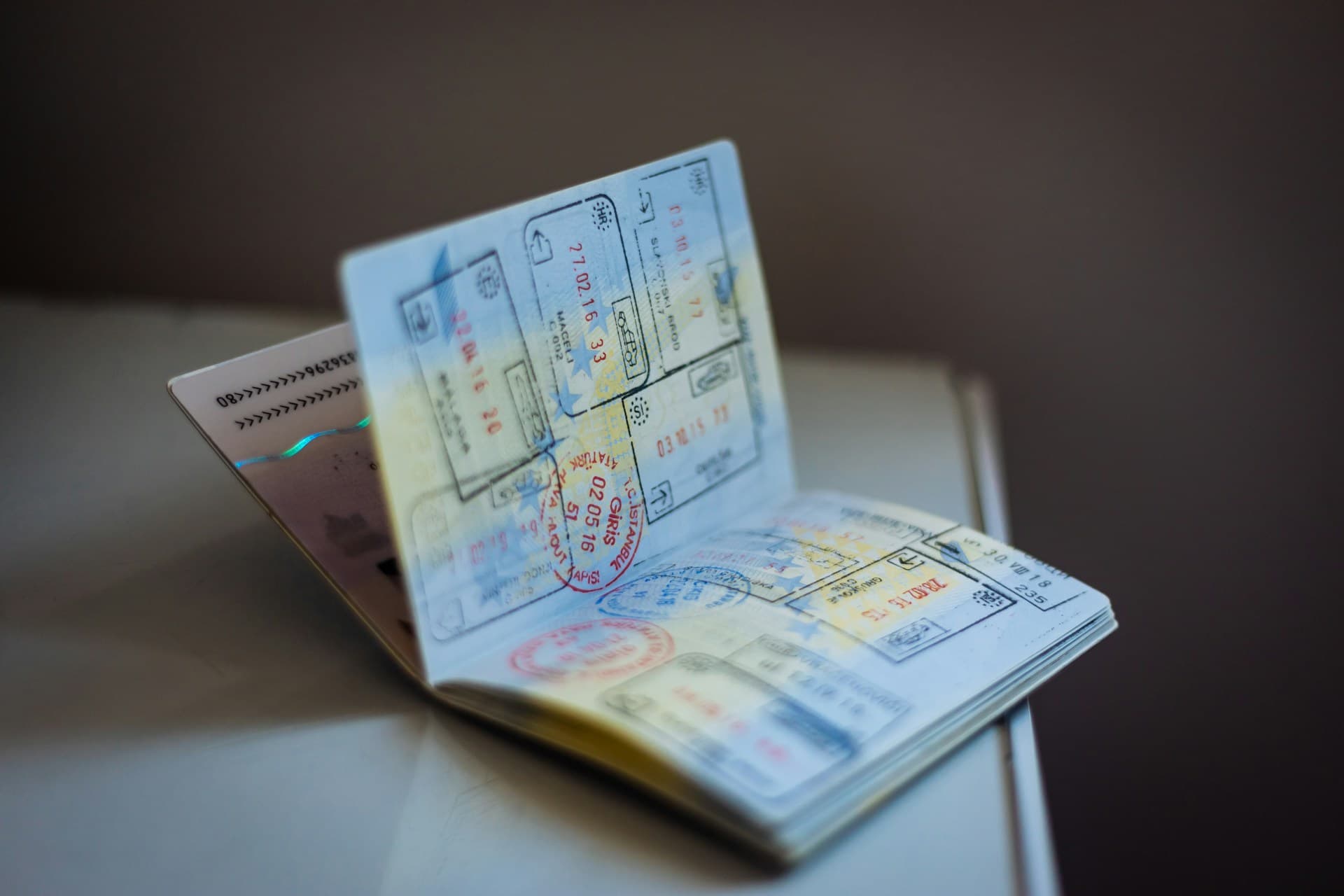
An Afghan asylee called the June 7 Immigration Answer Show worried about three small things in his file before his naturalization interview. Jim Hacking waved off two of them and zeroed in on the third: to travel and see the woman he later married, this man had renewed his Afghan passport at the consulate in Canada and used it four times while his green card travel document was stuck in a 14-month backlog. He never set foot in Afghanistan. Hacking still called it the real problem.
The concern is availment: reaching back to your home country’s government for a benefit of citizenship after you told the United States you feared that country. You don’t have to physically return to trigger it.
mic What the Attorney Says
“When you avail yourself of the privileges of being a citizen of the country that you got asylum from, they’re looking for things to mess with people, and that’s an easy thing to mess with people.”
The mechanism is real, not just optics. Using or renewing your national passport is one of the classic acts a government points to as reavailment of home-country protection, a basis to terminate asylum under 8 CFR 208.24. At naturalization under INA 316, the officer is reviewing your entire history for discretion, and an asylee who went back to the consulate for a passport sticker is an easy target, especially now, with USCIS reopening old asylum grants when people apply for citizenship.
Hacking drew a distinction that matters here. Renewing a passport by mail for a sticker is not the same as flying home and reconnecting with the government you fled. He put the two acts on very different footing.
mic What the Attorney Says
“In the scheme of things, in my mind, it’s a very, very slight misdemeanor, not a felony.”
Because this applicant got his green card from an immigration judge rather than the asylum office, he has somewhat more protection. But Hacking’s advice for anyone in the same spot who hasn’t yet filed was blunt: if you’re an asylee, don’t renew your home-country passport, and if it comes up at the interview, be ready to explain, with a short legal memo, why mailing in for a sticker is worlds apart from returning home.
The safer rule for asylees pursuing citizenship is to keep the home-country government out of your life entirely: travel on a U.S. refugee travel document, not a national passport. Physically going back home after claiming asylum is the bigger version of this mistake, and both fit the pattern of asylum grants being re-examined at naturalization.