
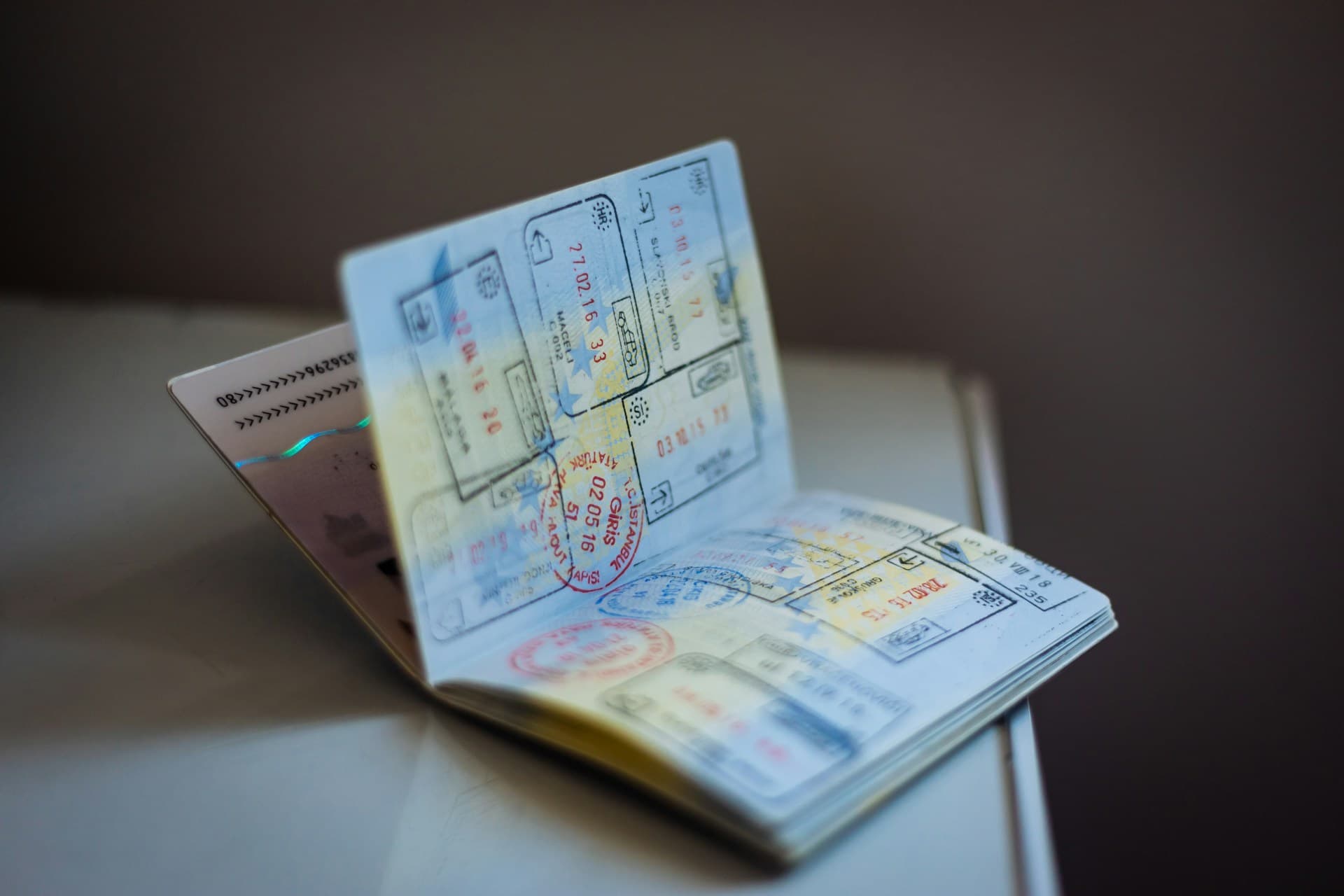
For years, a DACA recipient married to a U.S. citizen had a clean path to a green card: apply for advance parole, travel abroad, re-enter legally, then adjust status from inside the country. USCIS has now mostly stopped processing the travel document that makes it work.
Atlanta immigration attorney Charles Kuck told viewers of his June 16, 2026 update that the agency is processing almost no new advance parole for DACA holders. The exceptions are emergencies and renewals for people who already had it.
mic What the Attorney Says
“They are doing emergency APs, people who had AP previously, but not for any new people.”
USCIS still officially accepts Form I-131 advance parole requests from current DACA recipients. The existing court orders allow it, per the agency’s own DACA litigation FAQ. The problem is adjudication, not eligibility: applications go in and sit. For someone whose only goal was a lawful re-entry to unlock adjustment of status, a request that never gets decided works like a denial.
The fix is to stop treating travel as the trigger. A DACA recipient married to a citizen should file the family petition anyway, and Kuck was blunt about why the timing carries no downside.
mic What the Attorney Says
“You should definitely file a petition and I-130 if you’re married to a US citizen. Because you have DACA, nothing can be done to you.”
Most DACA recipients entered without inspection, so they cannot adjust status inside the country under INA § 245(a). That route generally requires a lawful entry, which is what advance parole used to supply. Without it, the green card has to be finished at a consulate abroad. And departing after more than a year of unlawful presence triggers the ten-year bar under INA § 212(a)(9)(B).
That is what the I-601A provisional waiver is for. Authorized at 8 C.F.R. § 212.7(e), it lets an applicant ask USCIS to forgive the unlawful-presence bar before leaving the United States, on a showing of extreme hardship to the U.S.-citizen spouse. The waiver is approved while the applicant is still home. Only then do they leave for a short consular interview, with the bar already cleared, which keeps the trip abroad to days or weeks instead of years.
The sequence is what matters. Kuck’s instruction to anyone already holding an approved petition and stuck on a travel document was to stop waiting.
mic What the Attorney Says
“If you got an I-130 approved and you’re waiting on advanced parole, wait no longer.”
DACA itself is what makes this strategy low-risk. A current recipient holds deferred action and cannot lawfully be removed while it stands. Kuck noted that even the two clients his firm had seen wrongly deported were brought back. Having been paroled in on their return, they became eligible to adjust status inside the country, an outcome he called insane but real. The point for everyone else: filing a petition and a waiver does not expose a DACA holder to removal that the program does not already foreclose.
For a married couple deciding what to do this month, the order of operations is straightforward:
- File the Form I-130 petition now. It establishes the qualifying relationship and starts the clock, whether or not advance parole ever comes through.
- Once the I-130 is approved, file the I-601A provisional waiver rather than waiting on a travel document. Build the extreme-hardship record around the citizen spouse from the start.
- Keep DACA and the work permit current throughout. A pending waiver does not extend an expired EAD, and renewal delays remain their own fight.
None of this is a reason to celebrate the advance-parole freeze. It leaves plenty of DACA recipients without an equivalent off-ramp, including those not married to citizens or carrying old removal histories. But for the common case of a DACA holder married to a U.S. citizen, the waiver route does not depend on USCIS choosing to adjudicate travel, which is the reason to use it. The wider discretion climate, including the May 2026 adjustment-of-status memo, is the next variable to plan around.
Sources
- USCIS — I-601A, Application for Provisional Unlawful Presence Waiver open_in_new
- USCIS — I-130, Petition for Alien Relative open_in_new
- USCIS — DACA Litigation Information and Frequently Asked Questions open_in_new
- 8 C.F.R. § 212.7(e) — Provisional unlawful presence waivers (Cornell LII) open_in_new
- Kuck Baxter Immigration — Immigration Update for June 16, 2026 open_in_new