
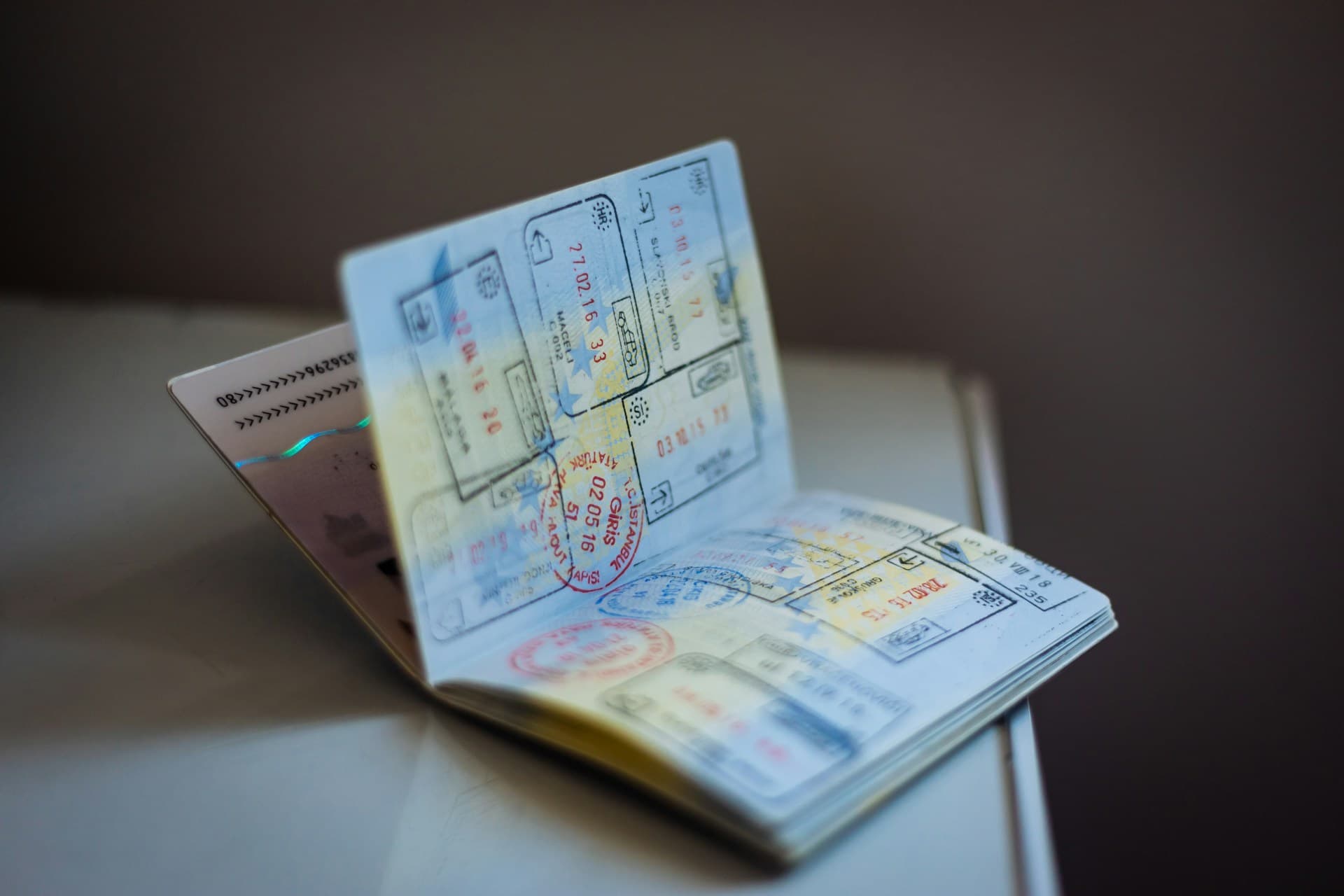
A caller from Tanzania asked the Immigration Answer Show a simple question: now that her husband is a U.S. citizen, should she file for a green card here or go home and try from abroad? The facts underneath it were not simple. She entered on a B1/B2 visitor visa in January 2024, filed to change to F-1 student status roughly two months later, worked without authorization, went one summer semester, then stopped when she got pregnant. She married a green card holder who naturalized in August 2025.
The unauthorized work is the smallest piece. Because she is now the spouse of a U.S. citizen, she is an immediate relative, and the unauthorized-employment and status-violation bars in INA 245(c) do not apply to her. The USCIS Policy Manual says immediate relatives who worked without authorization can still adjust. On that ground alone, she could file.
The problem is how she got here. Founding attorney Jim Hacking asked whether it was her plan, when she picked up the visitor visa, to come and switch to a student visa. She answered, “Likely so.” Filing to change status within about two months of entry is exactly the pattern that triggers the State Department’s 90-day presumption that a visitor misrepresented the purpose of the trip.
mic What the Attorney Says
“That’s a problem. That’s a misrepresentation. What did you tell them was the purpose of your visit?”
There is a second misrepresentation buried in her history. She had worked during an earlier visitor stay, and she attempted a DS-160 for the F-1 before deciding the wait was too long. Hacking bet that on that form she marked that she had not worked without permission. If she did, that is a willful, material misrepresentation to obtain an immigration benefit under INA 212(a)(6)(C)(i), a permanent ground of inadmissibility that immediate-relative status does not erase.
Misrepresentation is where the case turns from a routine approval into a waiver fight. The cure is the I-601 under INA 212(i), and the standard is not the applicant’s hardship. It is extreme hardship to her U.S. citizen spouse if she were denied.
mic What the Attorney Says
“And the waiver is going to be tough because you’re going to have to show that your husband would suffer an exceptional hardship if you were forced to go back to Tanzania. And of course, the Trump people don’t think anybody’s having any hardship, right?”
Her husband works, walks, and manages an old gunshot injury to his leg without much trouble. Those are helpful facts for the marriage, but thin ones for a hardship waiver that has to clear a high, discretionary bar. That is the calculation before she files anything.
The other cost of filing is exposure. She is already removable, driving to the store on a status that lapsed years ago. An I-130 and I-485 tell the government exactly where she is, and the misrepresentation is already in her record whether she files or not.
mic What the Attorney Says
“number one, by filing, you’re raising your hand and telling them that you’re here. And number two, like I said, I think the chances of success are between five and 10%.”
Hacking would not tell her what to do, and he was clear that not filing carries its own risk. He pointed to a caller from the day before, in similar shape, who got pulled over for tinted windows and landed in removal proceedings. The point is that the marriage does not fix the entry. A visitor who admits she came planning to switch to a student visa, worked without permission, and likely answered a visa form incorrectly is carrying the same preconceived-intent and misrepresentation problems that sink cases with far more sympathetic facts.
Anyone weighing this should first pull every prior application, the old DS-160 and the change-of-status filing, and map the answers before filing, the same way an applicant with a messy visa history prepares for a green card interview. The forms she filed years ago will decide whether she needs a waiver, and the waiver will decide whether the marriage is enough.
Sources
- 8 U.S.C. § 1255 — Adjustment of Status, including the 245(c) bars and the immediate-relative exemption (Cornell LII) open_in_new
- 8 U.S.C. § 1182 — Inadmissibility, including misrepresentation under 212(a)(6)(C)(i) and the 212(i) waiver (Cornell LII) open_in_new
- USCIS Policy Manual, Vol. 7, Part B, Ch. 6 — Unauthorized Employment and the 245(c) bars open_in_new
- USCIS — Form I-601, Application for Waiver of Grounds of Inadmissibility open_in_new
- U.S. Department of State — DS-160, Online Nonimmigrant Visa Application open_in_new
- Immigration Answer Show — live broadcast (July 17, 2026) open_in_new